How it works
How a private language model with identity works
Three layers inside your perimeter, and an evidence file compliance reads without asking us for anything.
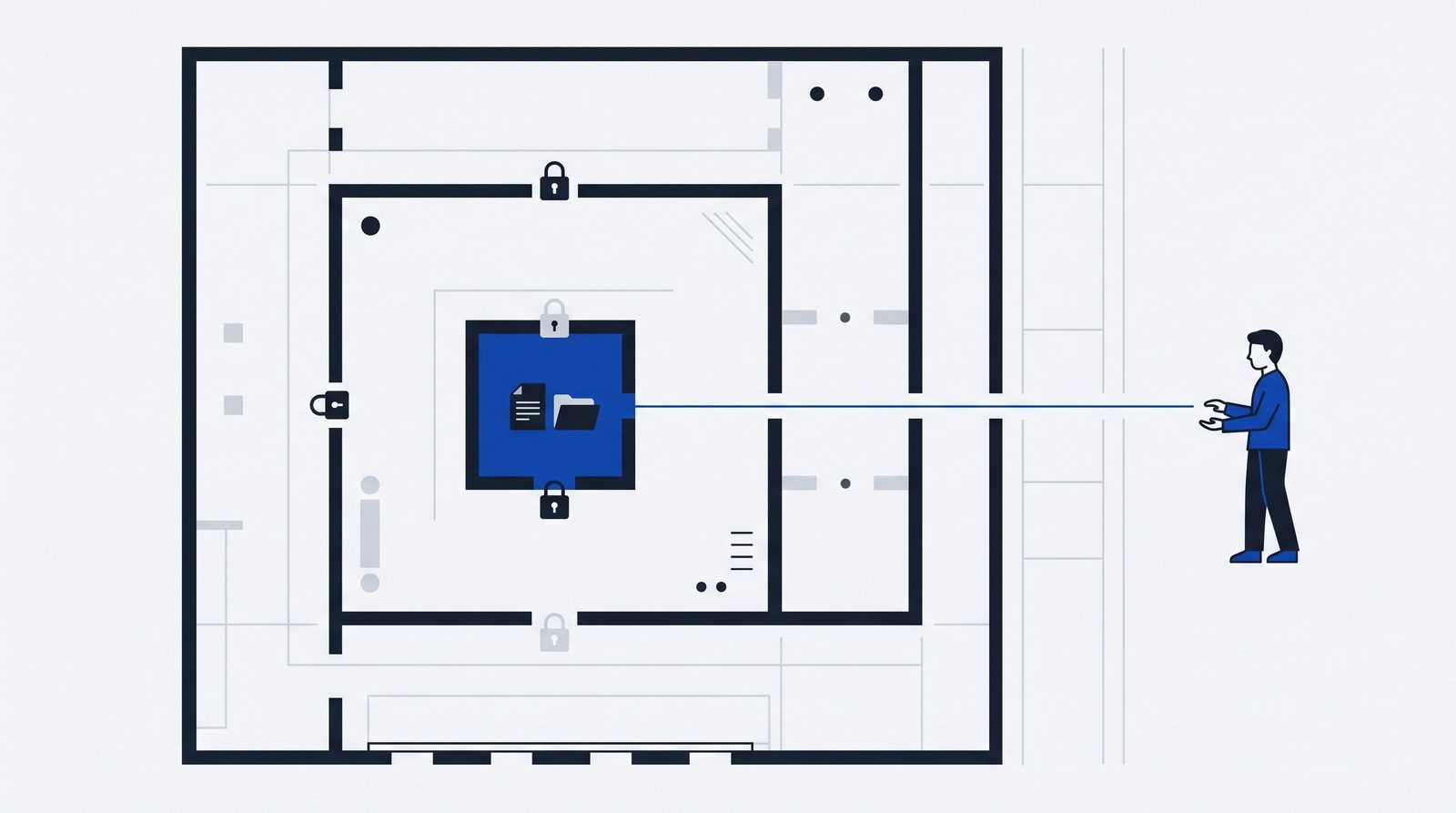
01 · Three layers and a seal
The model in your voice, the permissioned knowledge base and the operated agents
inside the perimeter · segmented network with no internet egress
Layer 3 · Operated agentsThey gather, organize and hand off. They never decide alone: a person reviews before any effect.
Layer 2 · Permissioned knowledge basePolicies, manuals and procedures in a base with a key for every drawer. The model searches, cites and logs.
Layer 1 · Your model, in your voice: DabarA current-generation open model, trained on examples approved by your experts.
Company systemsRead only, with permissions. No writes without an explicit and reversible human action.
3
Operated agents
A procedure that uses the model to carry out a task, with someone who reviews.
More
Serving a policyholder, opening a file, preparing a proposal. The agent gathers, organizes and hands off. A person reviews before any effect on a customer or a core system.
2
Permissioned knowledge base
The company’s documents, outside the model, with a key for every drawer.
More
A base of documents the model searches before answering, and cites. It lives outside the model, with role-based permissions, and is updated in minutes. Its technical name is retrieval-augmented generation (RAG).
1
Your model, in your voice: Dabar
A current-generation open model, inside your perimeter, measured against your own questions.
More
Llama, Qwen or Mistral, chosen for each project, trained on examples your experts approve. It is not a frontier model and we say so. The seal: Dabar, the DEBIR model. It is yours, versioned and signed. What comes in first is the knowledge base with agents; the voice comes in when the model talks to customers or produces brand pieces.
The analogy for the committee
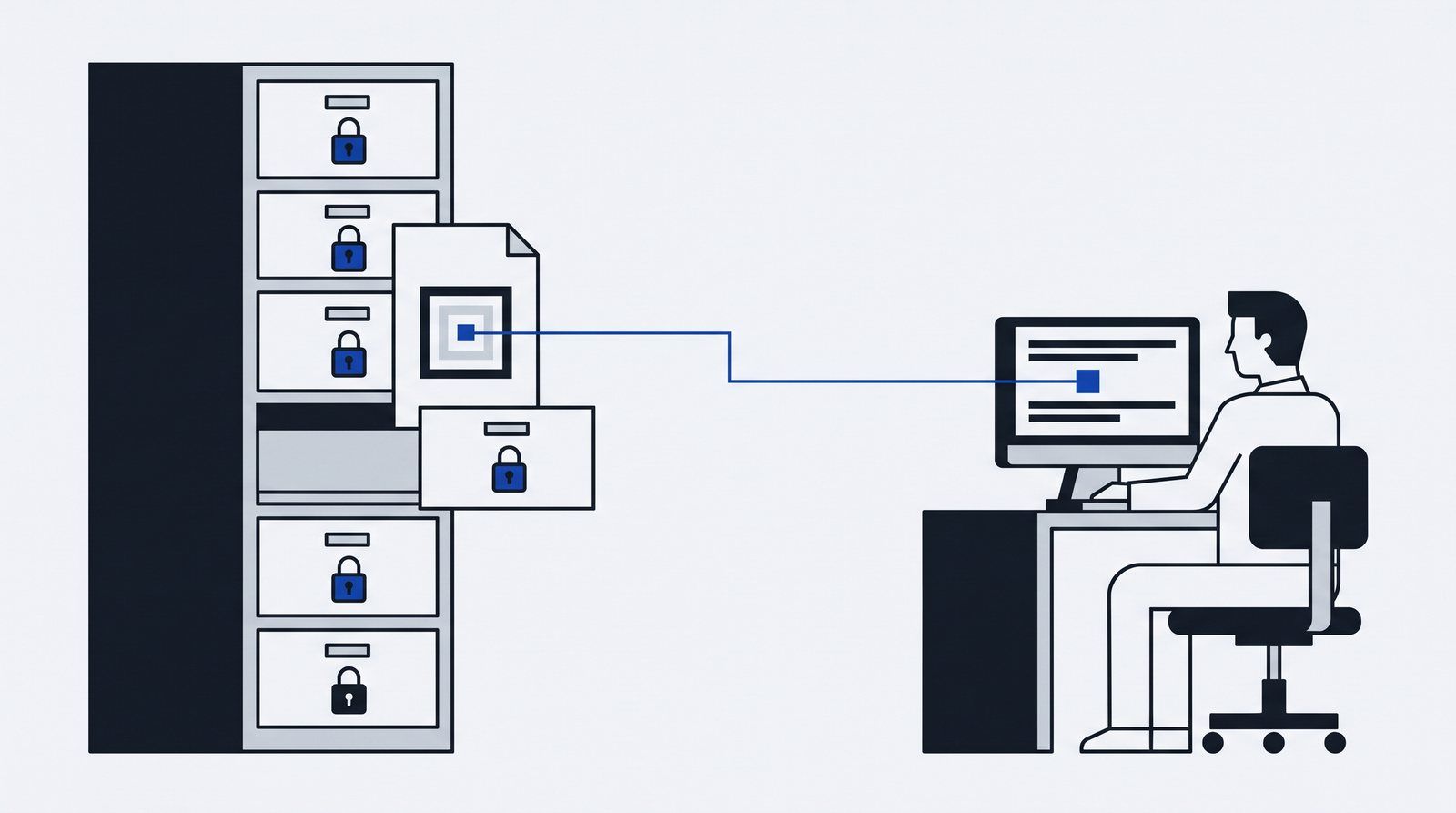
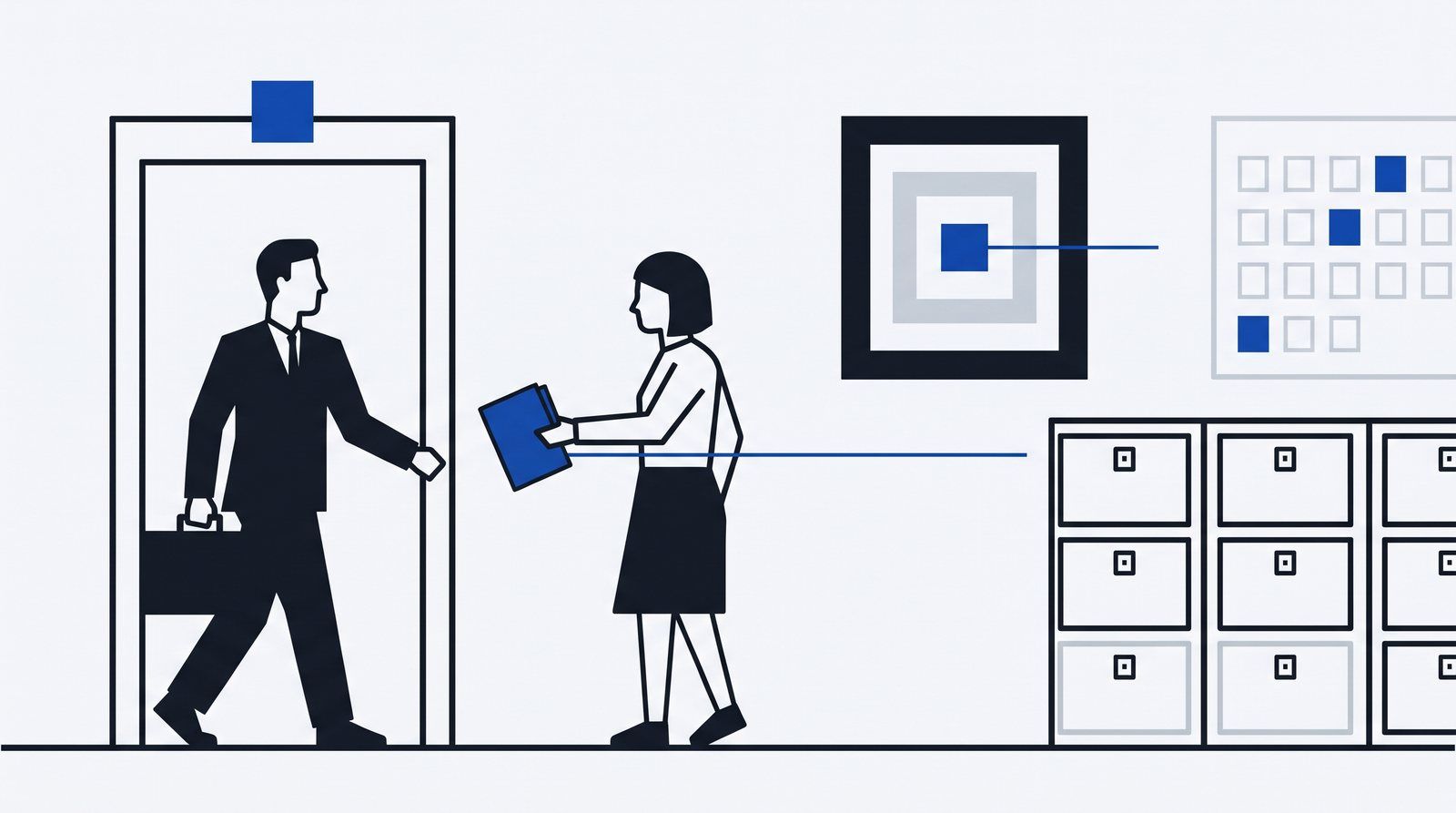
The base model is a professional with twenty years of experience who joins your company today. Training is their onboarding. The permissioned knowledge base is the filing cabinet with a key for every drawer. The agents are the procedures they carry out, with someone who reviews before anything goes out the door. The evidence file is their employment record.
02 · How it learns
Four levers. Almost every project combines the two in the middle.
We don’t teach it to think; we teach it to work in your company.
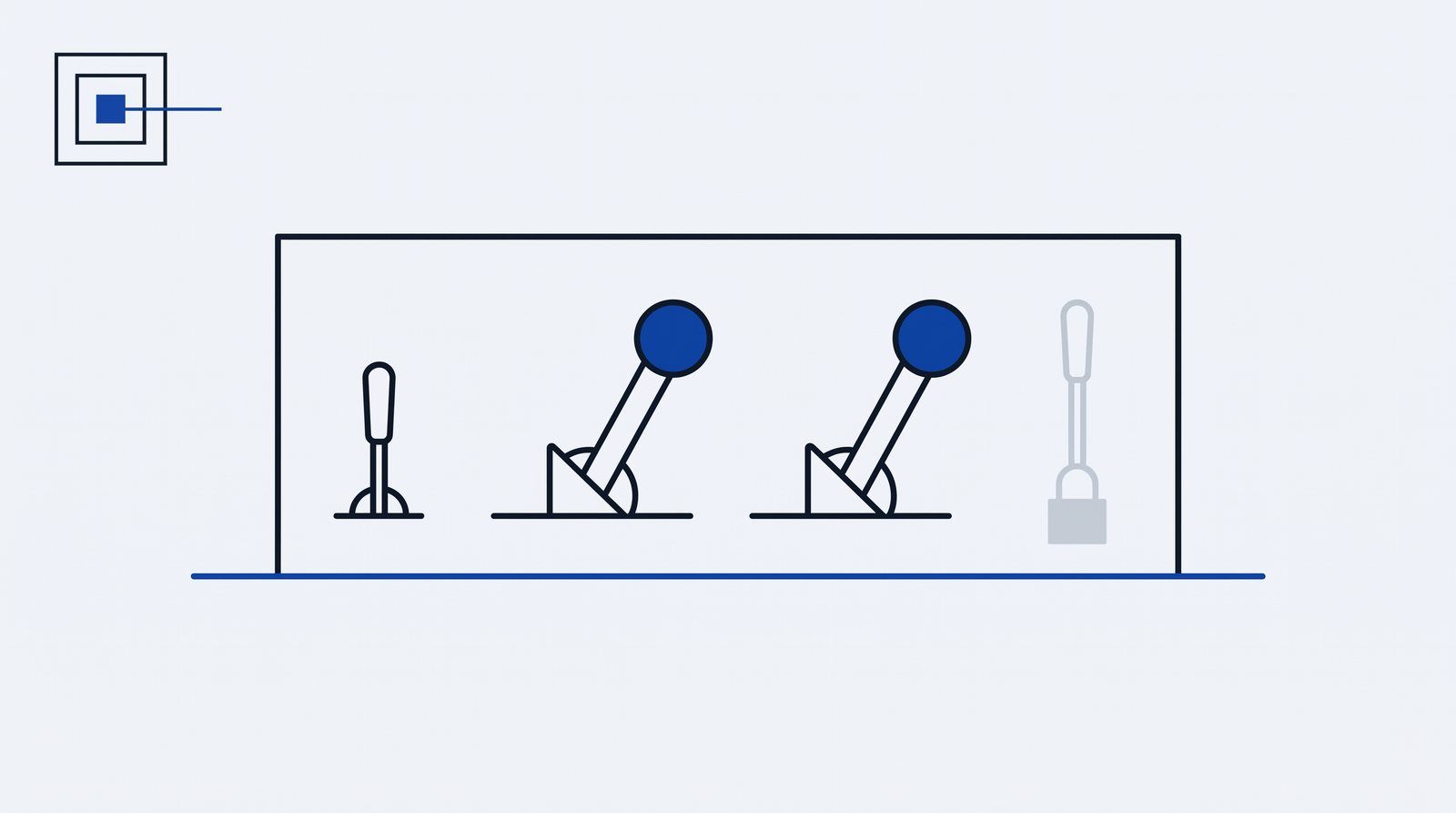
1
Instructions
Fast, but fragile. For prototypes.
More
You tell the model who it is, what tone to use and what rules to follow, in every conversation. It half obeys and the instructions grow out of control.
2
Permissioned knowledge base
For policies, manuals and catalogs: everything that changes.
More
Before answering, the model searches the company’s documents and cites what it found. Knowledge lives in a base with permissions, not inside the model. It is updated in minutes and audited.
3
Training or fine-tuning
For identity, tone and your own formats. It learns the craft; it doesn’t memorize files.
More
The base model is frozen and small layers are trained with thousands of approved examples (LoRA). The result is a small file, the identity adapter, mounted on the base model. An open model already knows language and how to write; what it doesn’t know is how your company speaks, what it sells and what it must never say.
4
Training from scratch
Never, for our clients.
More
Building your own model with thousands of GPUs over months costs millions of dollars and is almost never justified outside labs and governments.
03 · What data trains the model
Sensitive data never leaves. It is consulted at answer time; it never trains.
Goes into training
- Approved answers, with personal data masked.
- Product documents, policies and manuals.
- Brand manual, approved pieces and images with rights.
- Examples written by your experts. These are always the best data.
Never goes in
- Individual customer files.
- Identifiable health, biometric or financial data.
- Anything you would not want reproduced word for word.
What happens to it
It is consulted at answer time, through the permissioned knowledge base, with the permissions of whoever asks and a record of every access. It is sensitive data under Mexico’s data protection law and it is never baked into the model.
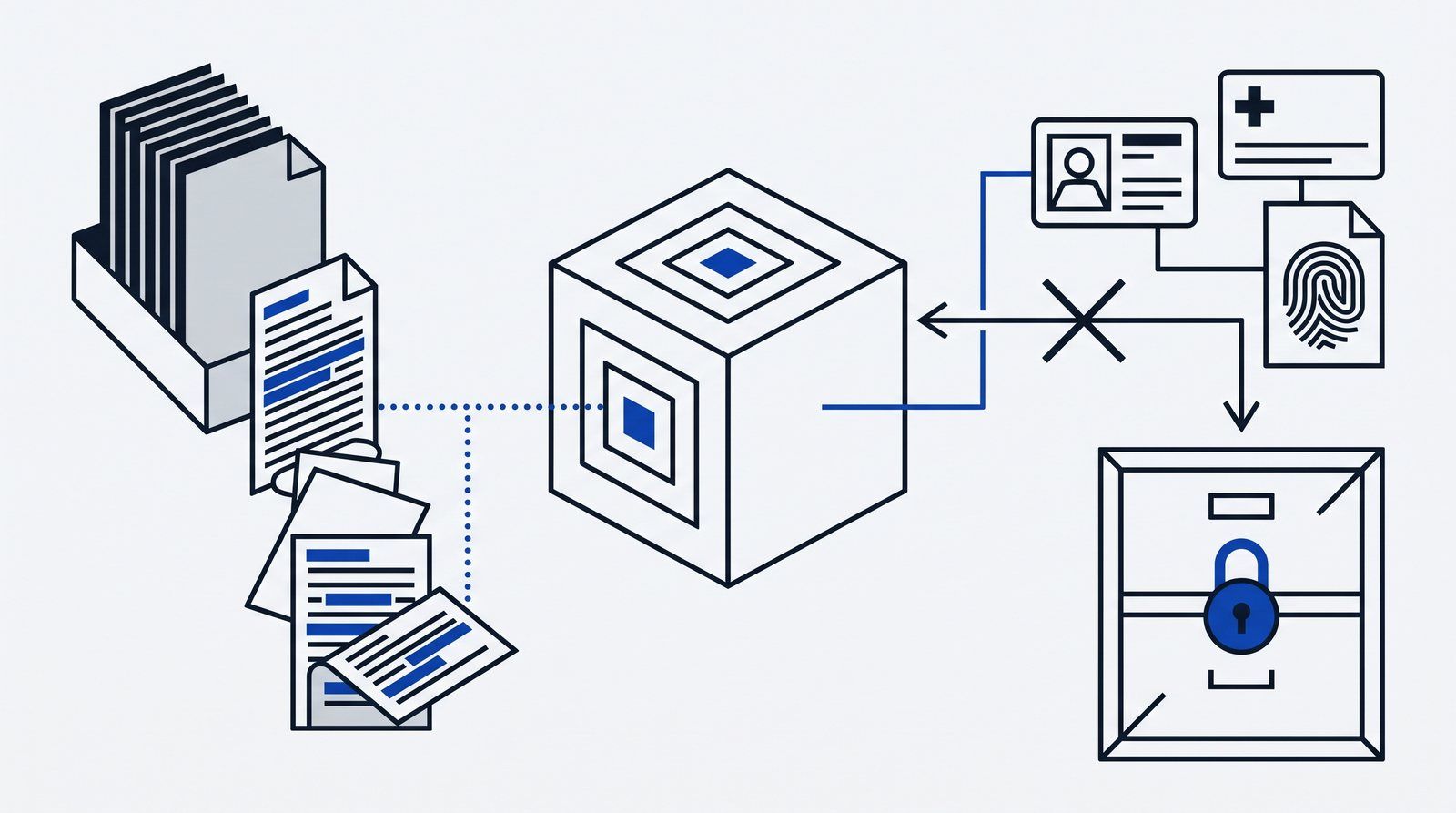
How each type of data is routed
Sensitive or confidentialhealth, biometrics, credit, trade secrets
Always inside the perimeterconsulted at answer time; never trains
Internal, not sensitivemanuals, policies, catalogs
Inside the perimeter by defaultenterprise cloud only if compliance approves
Public or creativebrand manual, published pieces
Commercial models to builda model in your company to operate
Who decides: the Assessment’s final report, signed by the company’s Legal team.
The best models in the world to build, a model in your house to run it
Commercial models are used in our studio to design, code and write. They never touch your sensitive data and never produce your model’s training data.
04 · Two machines, two jobs
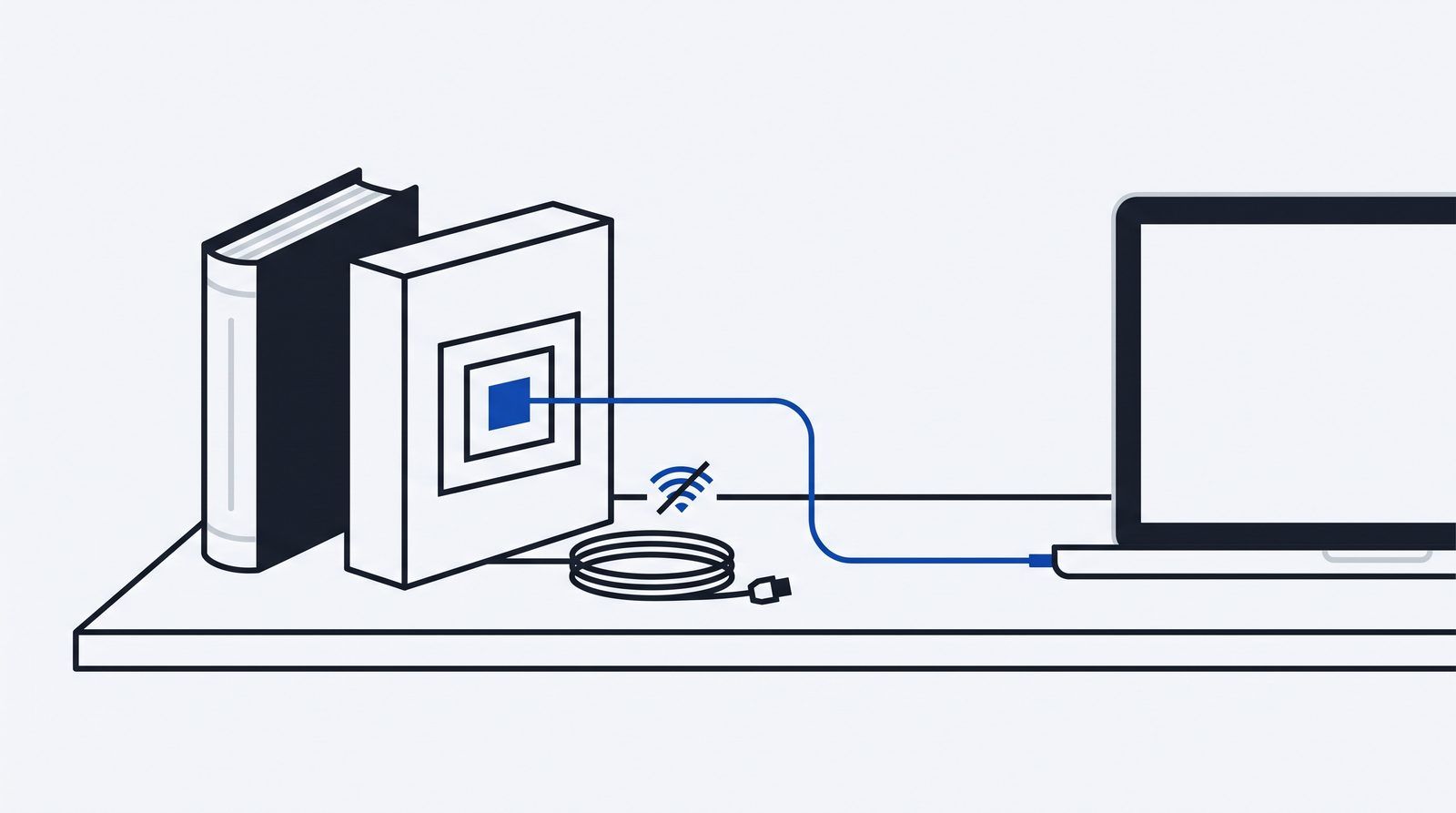
A computer the size of a book to train and demonstrate. A server in your company to operate.
To train and demonstrate
A computer the size of a book
No internet. It fits in the boardroom. It trains your model and demonstrates it at the first meeting.
Limit
It does not serve hundreds of users at once: its memory is large, but its speed limits concurrent use.
To operate
A server in your company
Sized in the Assessment, with manufacturer support in Mexico. It is yours.
Detail
One or two data center GPUs, depending on how many people use it at the same time. For business continuity in banking or insurance, a second unit.
05 · Three deployment options
Your hardware on your site is the default for regulated industries
What many buyers call an on-premises deployment, with the governance around it.
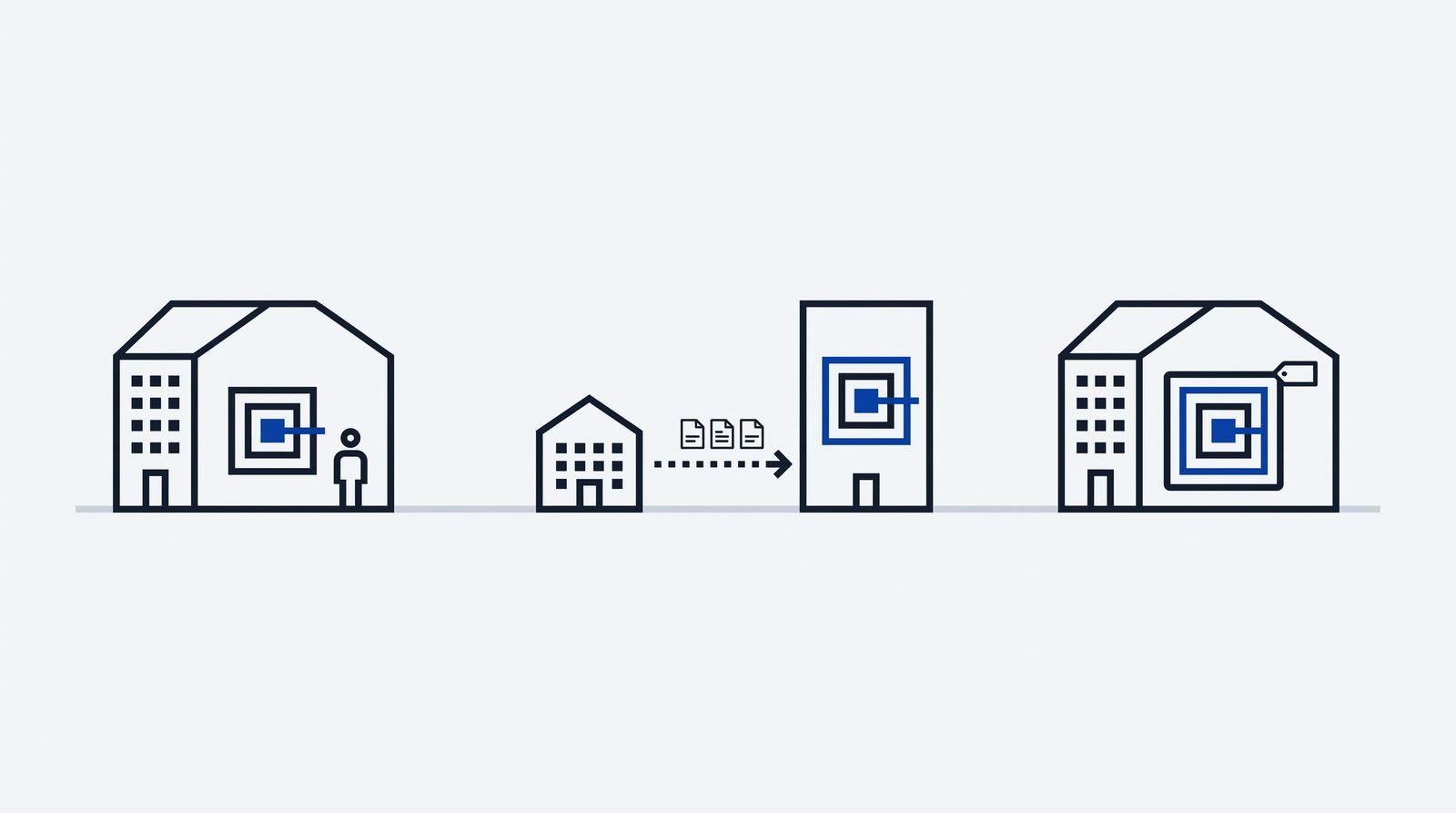
A
Your hardware, on your site
Nothing leaves your perimeter or the country. The default for regulated industries.
B
Our hardware, on our site
Only for brand work without sensitive data.
C
Our hardware, placed on your site
Leased or on loan, for regulated companies that don’t want to buy hardware.
Full comparison and what the regulator says
| A · Your hardware, on your site | B · Our hardware, on our site | C · Our hardware, placed on your site | |
|---|---|---|---|
| Who buys the hardware | The company | DEBIR, one shared unit | DEBIR, one per client, leased or on loan |
| Where the data lives | It never leaves your perimeter or the country | It leaves to ours | In your perimeter, on our hardware |
| Banking and insurance | Yes In banking it avoids the prior authorization in article 328 of the Single Banking Circular | Almost never: DEBIR would become a processor of sensitive data | Yes As a third party with access: notice to the CNBV and a contract under article 318; in insurance, express acceptance under article 268 |
| For whom | Regulated industries, by default | Brand work without sensitive data | Regulated industries that don’t want to buy hardware |
With a single production server, restoring a version in under an hour applies to software, not to a physical failure. The contract says so: cold backup within 48 hours or a second unit.
Four non-negotiable rules
1
The model never writes to your core systems without an explicit and reversible human action.
2
No end-customer data is used for training.
3
Everything goes into an audit log compliance reads without intermediaries.
4
No version is released without a test, a week with internal administrators and the process owner’s signature.
06 · Next step
Discovery sessions, no commitment
With technology, compliance and two process owners. Includes an offline demonstration prepared for your sector, without using your company’s data.
1
Inventory and obligations
Data in four levels and a first review of what your sector requires.
2
Three candidate use cases
And the Assessment proposal. The Discovery is credited against the Assessment.
3
Founding clients program
Three seats, with an explicit discount in exchange for a publishable case and a reference.
Terms
Discovery and evidence pilot at no cost, Assessment at a discount, in exchange for a publishable case, a reference and feedback. Continuous operation is always paid at list price.